
MEP Services in UAE: Complete Mechanical, Electrical & Plumbing Solutions for Commercial & Residential Projects
Interior Design Trends in UAE: Commercial & Residential Spaces
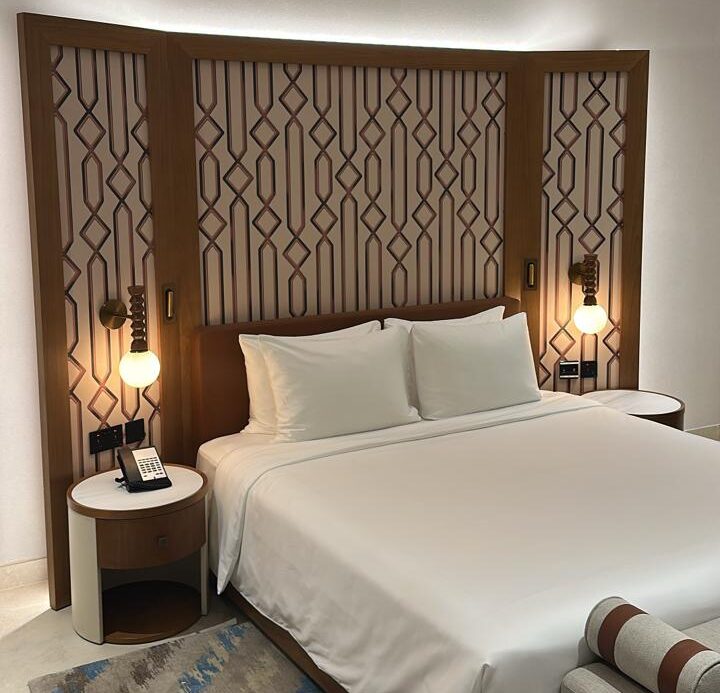
Interior design in the United Arab Emirates continues to evolve rapidly, driven by modern lifestyles, corporate innovation, and global design influences. From high-end residential villas to dynamic corporate offices, interior design has become a powerful tool for enhancing comfort, productivity, and brand identity.
In today’s competitive UAE market, businesses and homeowners are seeking interior solutions that balance aesthetics, functionality, and long-term value. This blog explores the latest interior design trends in the UAE, covering both commercial and residential spaces, while highlighting how professional interior design and fit-out services contribute to successful projects.
The Growing Importance of Interior Design in the UAE
Interior design is no longer just about visual appeal. In the UAE, it plays a critical role in supporting modern work environments, luxury living, and efficient use of space.
Commercial interiors are designed to improve employee well-being, productivity, and collaboration, while residential interiors focus on comfort, personalization, and lifestyle enhancement. Professional interior designers help translate these needs into practical, well-executed spaces.
Key drivers of interior design demand in UAE include:
- Rapid commercial development
- Luxury residential projects
- International business presence
- High expectations for quality & finishes
Commercial Interior Design Trends in UAE
Commercial interior design in the UAE is influenced by global workplace trends and regional business requirements. Companies are investing in interiors that reflect their brand values while supporting flexible and efficient work environments.
Open-Plan & Flexible Workspaces
Open-plan offices remain a dominant trend, encouraging collaboration and transparency. However, modern designs now incorporate flexible zones for meetings, focused work, and informal interactions.
Common features include:
- Modular workstations
- Glass partitions
- Collaborative breakout areas
- Acoustic solutions for privacy
Brand-Driven Interior Design
UAE businesses increasingly use interior design to reinforce brand identity. Colors, materials, layouts, and custom joinery elements are aligned with corporate branding.
Brand-focused interiors often include:
- Custom reception counters
- Branded wall features
- Tailored joinery solutions
- Unique lighting concepts
Smart & Technology-Integrated Offices
Technology integration is becoming a standard feature in modern UAE offices. Interior design now accommodates smart lighting, automated systems, and data-driven layouts.
Smart office design elements include:
- Intelligent lighting systems
- Smart climate control
- Integrated AV solutions
- Efficient cable management
Residential Interior Design Trends in UAE
Residential interiors in the UAE reflect luxury, comfort, and personalization. Homeowners seek designs that combine modern aesthetics with practical living solutions.
Open Living Spaces
Open layouts connecting living, dining, and kitchen areas are increasingly popular. These designs enhance natural light, improve space utilization, and create a sense of openness.
Popular features include:
- Open kitchens
- Large kitchen islands
- Seamless flooring across spaces
- Minimal partitioning
Premium Materials & Finishes
UAE homeowners prefer premium finishes that offer durability and elegance. Material selection plays a vital role in defining the overall interior style.
Trending materials include:
- Marble & porcelain surfaces
- Corian countertops
- Natural wood & veneer finishes
- Neutral color palettes
Custom Joinery for Homes
Custom joinery is a key element of residential interior design, offering tailored storage and furniture solutions.
Residential joinery applications include:
- Wardrobes & walk-in closets
- Kitchen cabinets
- TV units & shelving
- Bedroom & storage furniture
Sustainability & Eco-Friendly Design Trends
Sustainability is gaining importance in UAE interior design. Clients are increasingly aware of energy efficiency and environmentally responsible materials.
Sustainable design approaches include:
- Energy-efficient lighting
- Sustainable material sourcing
- Efficient HVAC integration
- Long-lasting, low-maintenance finishes
Role of Interior Designers in UAE Projects
Professional interior designers play a critical role in project success. They bridge the gap between creative vision and technical execution.
Interior designers in UAE handle:
- Concept & theme development
- Space planning & layouts
- 2D drawings & 3D visualizations
- Material & finish selection
- Site coordination & execution support
Interior Design vs Interior Fit-Out: Understanding the Difference
While often used interchangeably, interior design and interior fit-out serve different functions.
Interior Design focuses on:
- Visual concepts & layouts
- Material & color selection
- Space aesthetics
Interior Fit-Out focuses on:
- Physical execution
- Construction & installation
- MEP & joinery works
Successful projects integrate both disciplines for seamless delivery.
Choosing the Right Interior Design Company in UAE
Selecting the right interior design partner is essential for achieving desired outcomes. Experience, local market knowledge, and execution capability should be key considerations.
What to look for:
- Proven UAE project experience
- In-house fit-out & joinery capabilities
- Authority approval knowledge
- Transparent communication
A reliable interior design company ensures design intent is maintained throughout execution.
Why Interior Design Adds Long-Term Value
Well-designed interiors enhance usability, comfort, and market value. In commercial spaces, they improve employee satisfaction and client perception. In residential properties, they increase resale value and daily living comfort.
Investing in professional interior design ensures long-term benefits beyond visual appeal.